Flagship Case Study
Chase Investment Summary
A mobile and responsive account experience built to make investment holdings easier to scan, understand, and act on.
Read the story
UI/UX/AI Product Designer
Senior UI design for complex digital products, spanning fintech, enterprise, and AI-enabled workflows shaped through research-informed UI, design systems, visual storytelling, and polished execution.
Selected Work
The work is organized around recruiter-friendly signals: role, problem, process, system decisions, final experience, and the capability each project demonstrates.
Flagship Case Study
A mobile and responsive account experience built to make investment holdings easier to scan, understand, and act on.
Read the story

Fintech dashboard
Performance trends, data visualization, and investor confidence across responsive views.

Mobile product concept
A mobile command center for hospitality teams, guest context, and operational decisions.

Data product
Dashboard storytelling for organizational health, team sentiment, and leadership visibility.

Motion storytelling
Vision video and visual narrative for a loyalty transformation program.

Enterprise onboarding
Guided workflows and product storytelling for complex banking onboarding experiences.

Service design
Future-state artifacts that align teams around touchpoints, systems, and customer needs.
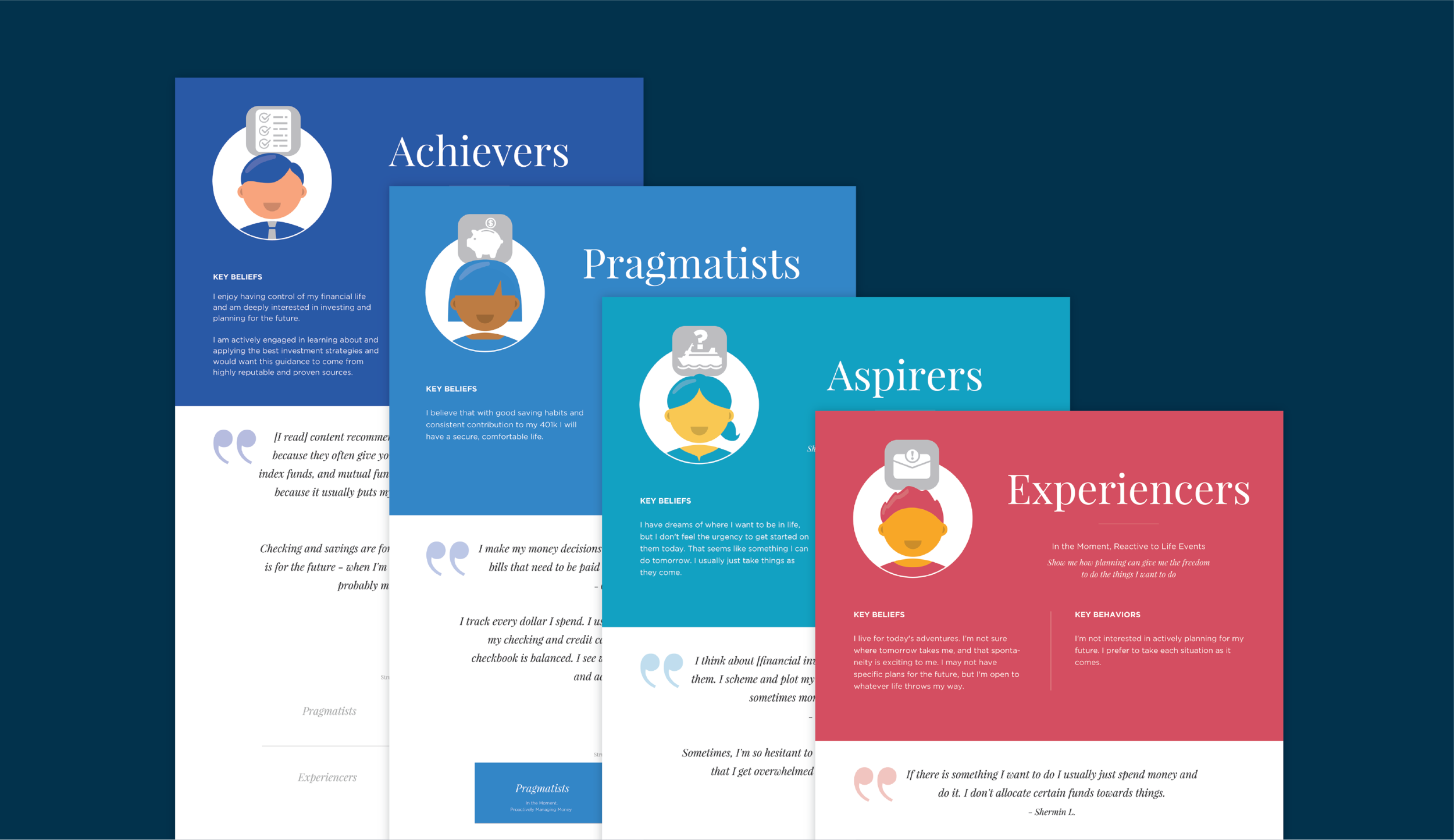
Service design toolkit
Research-informed archetypes that help teams align around behaviors and motivations.
Flagship Story
Turning complex investment holdings into a clear, actionable account summary for mobile and responsive customer experiences.
Context
The Investment Summary account page was designed to help clients understand holdings, performance, account activity, and key actions without forcing them to parse dense financial information.
Role
The work connected user needs, research findings, product requirements, content direction, engineering constraints, and Chase design system patterns into a launch-ready experience.
Design Decisions
What it demonstrates
This project shows UI leadership across financial data, responsive systems, stakeholder alignment, research-informed decisions, and polished execution.
Product UI / Fintech
A product-design process focused on turning dense account data into a clear, responsive experience for customers and a production-ready direction for the team.
Connect research, customer needs, and stakeholder goals around what clients need to understand first.
Bring account value, movement, markets, actions, and supporting modules into a scannable structure.
Explore how the same financial story behaves across mobile, tablet, and desktop breakpoints.
Translate the final direction into clean UI, design-system alignment, and engineering-ready decisions.
Fintech Dashboard
Performance trends, market movement, and responsive dashboard patterns shaped into a clearer investor experience across desktop and mobile views.
Context
Investors need to understand how their portfolio is moving without reading dense tables first. The experience brings trend, time range, and contribution data into one responsive story.
Role
The work focused on chart readability, account-level performance signals, mobile adaptation, and production-ready interface patterns that could scale across financial views.
Design Decisions
What it demonstrates
This project shows dashboard thinking, data hierarchy, mobile adaptation, and UI systems judgment for complex financial products.
Product UI / Data Visualization
A dashboard process focused on making portfolio movement, time ranges, and performance signals easier to compare across responsive product views.
Clarify what clients need to understand about performance, market value, and contribution data.
Organize the chart, metrics, time filters, and supporting details around the clearest scan path.
Explore how performance history behaves across desktop, tablet, and mobile compositions.
Tune labels, spacing, chart emphasis, and responsive behavior so the data feels easier to trust.
Mobile Product Concept
A premium mobile command center concept for hospitality teams, guest context, staff profiles, and operational service decisions.
Context
The concept explores how a mobile product could help teams recognize staff, validate status, and act on guest or member context in a high-touch hospitality environment.
Role
The work centered on product concepting, screen composition, profile states, visual hierarchy, and a polished interface direction that feels secure, quick, and elevated.
Design Decisions
What it demonstrates
This project shows product imagination, mobile UI polish, brand atmosphere, and the ability to turn a service scenario into a clear interface concept.
Mobile Product / Hospitality
A mobile concepting process that turns a high-touch hospitality service moment into a premium, role-based interface for recognition, status, and action.
Focus the concept around staff needing fast identity, membership, and guest-context signals.
Shape tier, verification, check-in, delay, and validation states into a compact screen system.
Use portraiture, hierarchy, labels, and primary actions to make the interface readable in motion.
Refine color, contrast, spacing, and visual atmosphere so the product feels elevated and secure.
Data Product
Dashboard storytelling for organizational health, employee sentiment, connectedness, and leadership visibility.
Context
Teams need a way to understand organizational sentiment, collaboration health, and engagement patterns without losing the nuance behind the data.
Role
The design work focused on dashboard composition, metric grouping, comparative reads, and a visual system that helps leaders scan insights without feeling overwhelmed.
Design Decisions
What it demonstrates
This project shows dashboard strategy, information hierarchy, visual analytics, and the ability to make complex organizational signals easier to act on.
Data Product / Workplace Strategy
A data-product process for translating organizational health signals into a dashboard leaders can scan, compare, and use in strategic conversations.
Identify the workforce signals, team patterns, and sentiment themes leaders need to interpret.
Group connectedness, sentiment, and leadership indicators into a clearer information model.
Build visual hierarchy, comparison states, and chart treatments for quick decision-making.
Refine the interface so insights feel credible, concise, and ready for team alignment.
Motion Storytelling
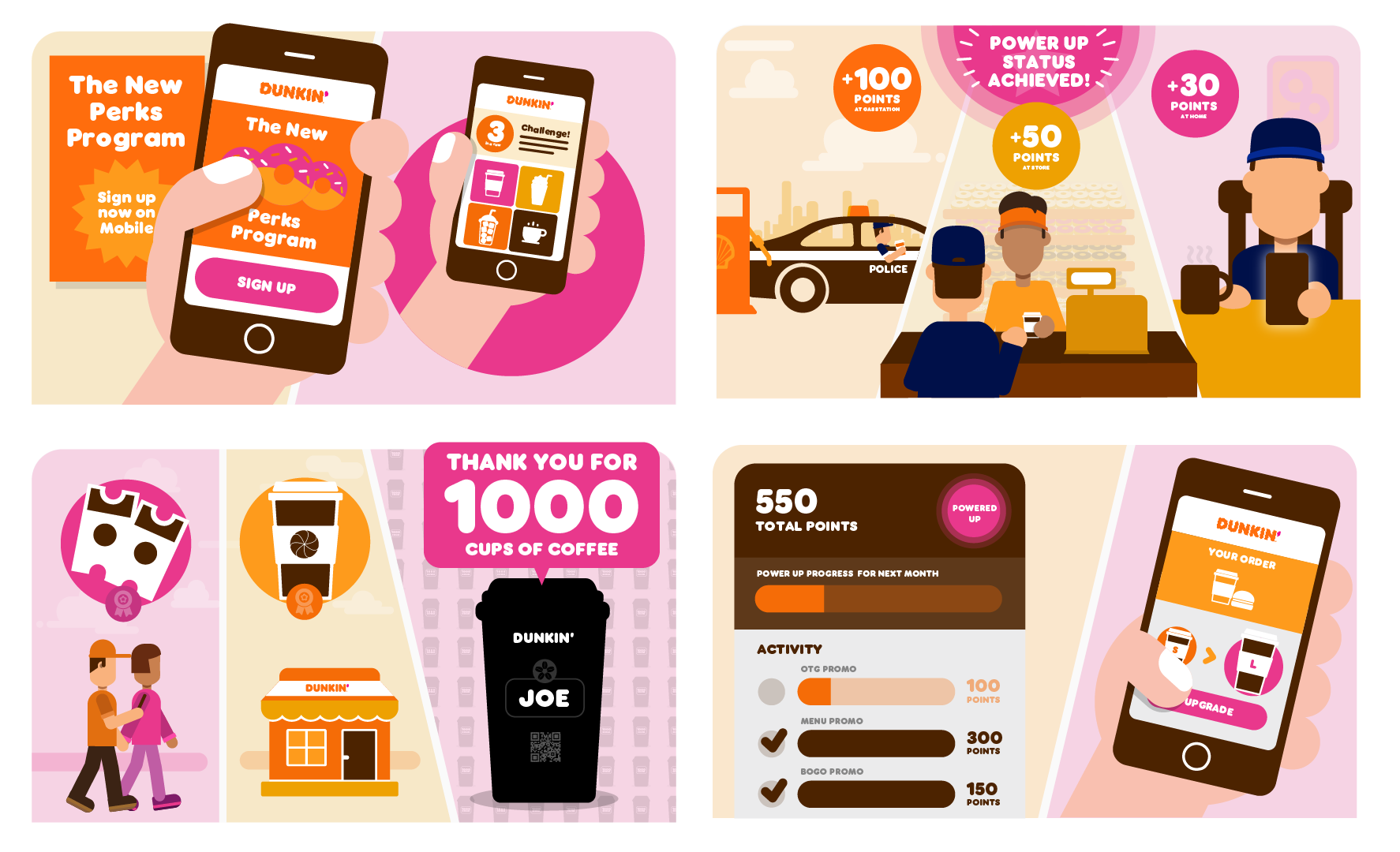
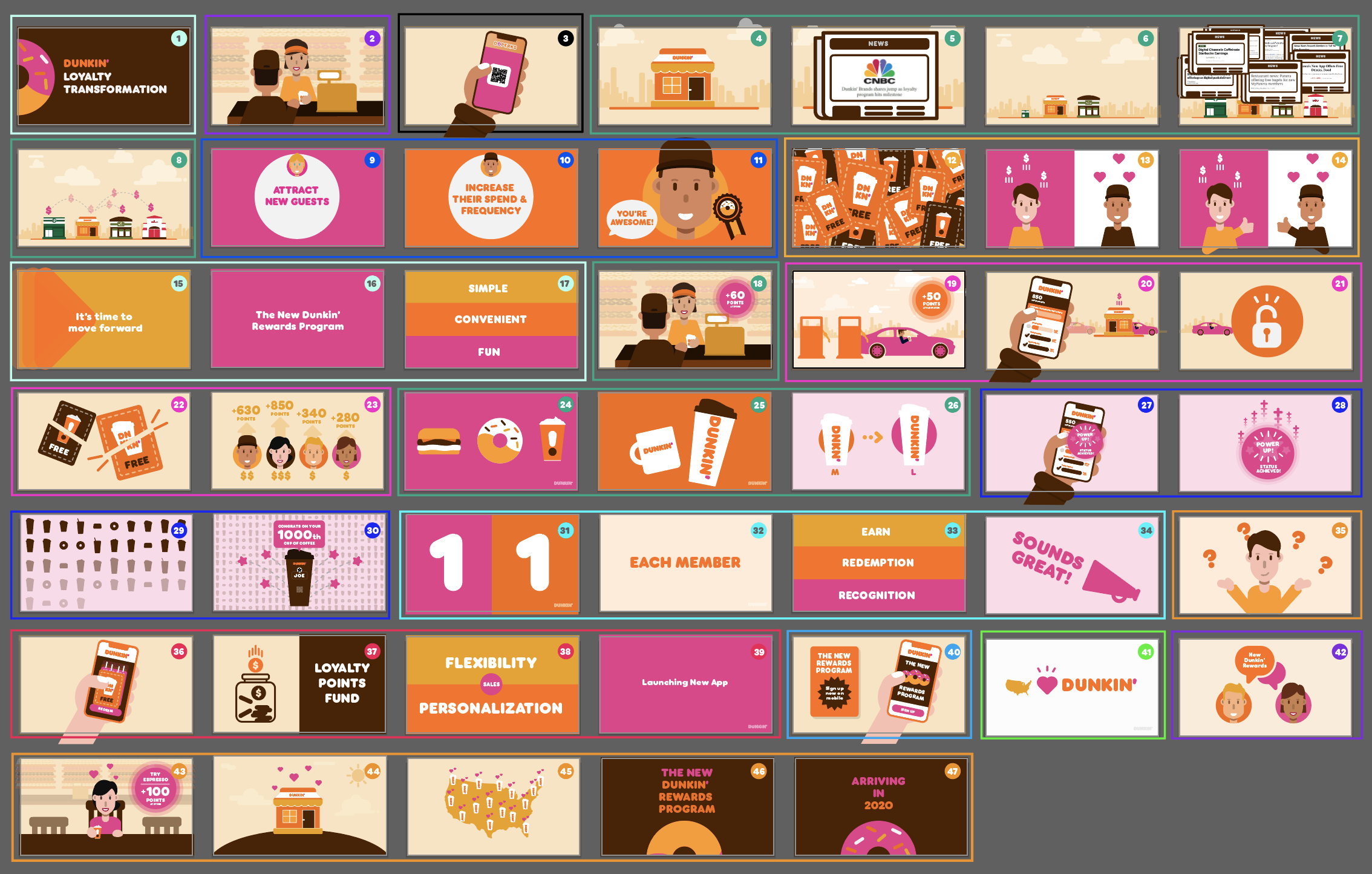
Visual direction and narrative framing for a loyalty transformation story designed to feel simple, energetic, and memorable.
Context
The work needed to communicate a future-state program in a way stakeholders could quickly understand, remember, and rally around.
Role
The direction connected brand energy, simplified product moments, storyboard logic, and visual assets that could support a concise transformation narrative.
Design Decisions
What it demonstrates
This project shows motion thinking, brand fluency, narrative design, and the ability to make abstract transformation work feel tangible.
Motion / Future-State Storytelling
A storytelling process for explaining a loyalty transformation through simple moments, product cues, customer value, and a visual narrative people could understand quickly.
Clarify how the loyalty ecosystem changes for customers, employees, rewards, and digital touchpoints.
Break the program into scenes that show onboarding, earning, redeeming, tiers, and engagement loops.
Use illustration, pacing, and branded UI moments to make the strategy feel tangible and energetic.
Create a concise product narrative that helps stakeholders see the future experience as a system.
Enterprise Onboarding
Guided workflow and product storytelling for complex banking onboarding experiences across global business contexts.
Context
Banking onboarding can involve multiple stakeholders, documents, approvals, and handoffs. The experience needed to make progress, requirements, and next steps easier to understand.
Role
The work brought structure to onboarding flows, content hierarchy, visual communication, and stakeholder alignment around a more guided experience.
Design Decisions
What it demonstrates
This project shows process design, stakeholder communication, onboarding strategy, and the ability to simplify high-friction business experiences.

Enterprise UX / Financial Services
An enterprise workflow process focused on turning a complex onboarding journey into a clearer, task-oriented experience for clients and internal teams.
Capture stakeholders, requirements, documents, approvals, handoffs, and points of uncertainty.
Translate the process into clearer steps, progress signals, task groups, and next actions.
Use wireframes, interaction flows, and motion framing to explain the future-state experience.
Package the narrative so product, business, and implementation partners can move together.
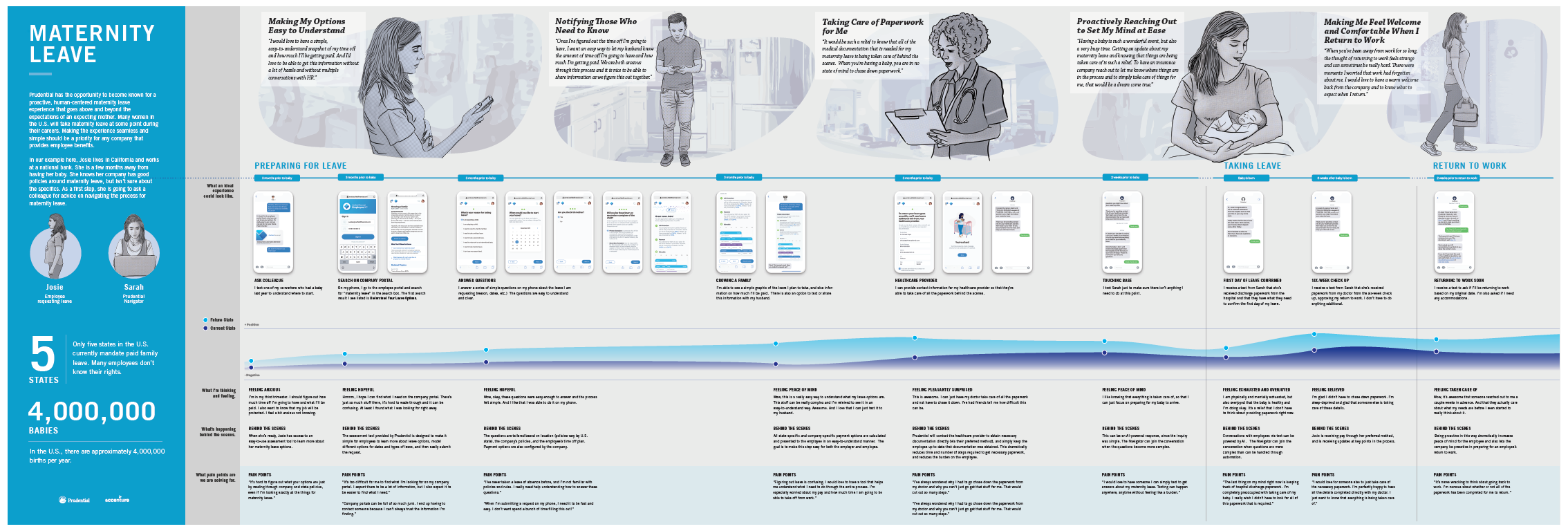
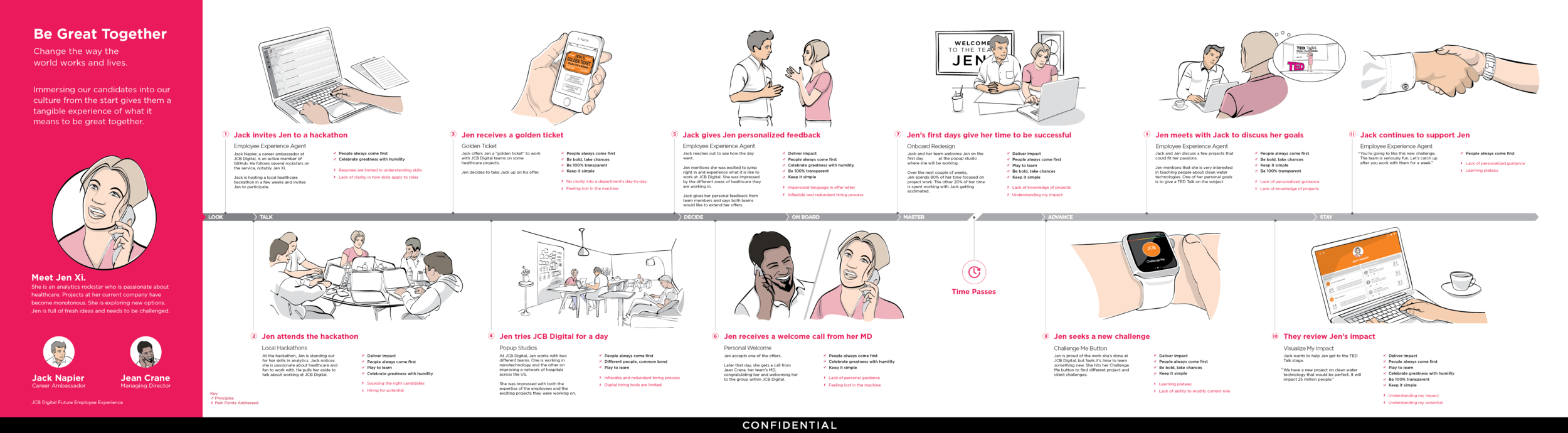
Service Design
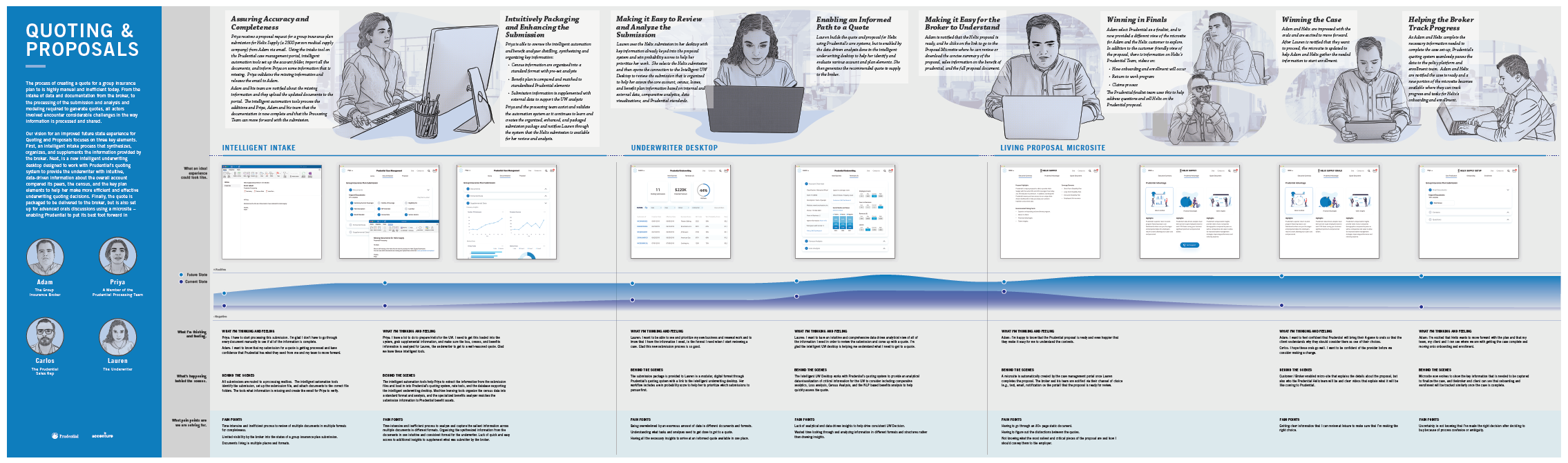
Future-state artifacts that align teams around touchpoints, systems, customer needs, and the operational shifts required to deliver better experiences.
Context
Journey maps and blueprints help teams see how customer needs, channels, internal systems, and service moments connect across the full experience.
Role
The work translated research, touchpoints, pain points, and future-state opportunities into artifacts that could guide product, service, and stakeholder decisions.
Design Decisions
What it demonstrates
This project shows facilitation-ready artifacts, service design structure, journey synthesis, and the ability to connect user experience with operational reality.
Service Design / Systems
A service-design process built to help teams see the full ecosystem: customer needs, touchpoints, internal systems, pain points, and future-state opportunities.
Gather research, user scenarios, operational steps, and cross-functional dependencies into one view.
Highlight friction, decision points, emotional shifts, and service gaps that shape the experience.
Connect frontstage experience with backstage systems so product and service teams can act on it.
Turn complex strategy into visual tools for workshops, roadmap conversations, and stakeholder decisions.
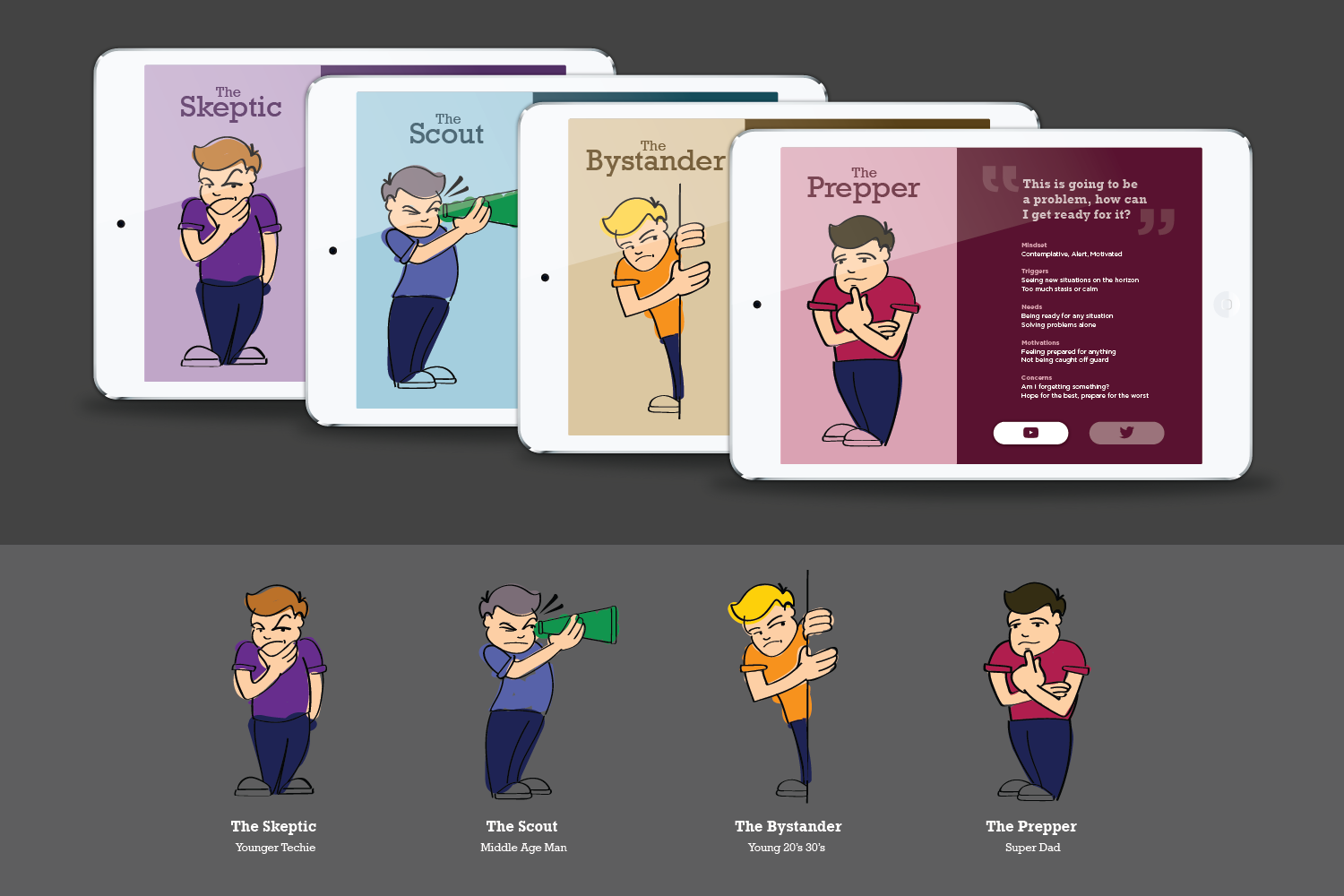
Service Design Toolkit
Research-informed archetypes and mindset tools that help teams understand behaviors, motivations, mental models, and the people they are designing for.
Context
The toolkit turns behaviors, motivations, and mental models into clear visual archetypes that support empathy, alignment, and more informed product and service decisions.
Role
The work included character illustration, page composition, systemized layouts, and scalable assets for print, tablet, desktop, workshops, and stakeholder communication.
Design Decisions
What it demonstrates
This project shows the ability to turn qualitative insight into polished, reusable artifacts that help cross-functional teams make better experience decisions.
Research Synthesis / Toolkit
A synthesis process that turns qualitative research into memorable archetypes, giving teams a shared language for empathy, prioritization, and human-centered decisions.
Cluster research findings into motivations, mental models, behaviors, and recurring decision patterns.
Create distinct characters, naming, hierarchy, and content structure that teams can quickly remember.
Design illustrations and layouts that make abstract research feel clear, human, and workshop-ready.
Prepare assets for print, tablet, desktop, presentations, and service design conversations.
Process
My process shifts by context, but the pattern is consistent: understand the system, make the work visible, shape the experience, and turn strategy into artifacts teams can use.
Research signals, stakeholder needs, business constraints, and service moments.
Translate ambiguity into a clear problem, user job, experience map, or design brief.
Prototype flows, hierarchy, visual systems, motion narratives, and service artifacts.
Use polished storytelling to help teams make decisions and move toward production.
Detailed Documentation + Framework
The framework above explains the method. These boards show the working layer underneath: journeys, decisions, flow changes, stakeholder notes, and visual direction captured in one evolving source of truth.

Verizon / Journey System
Bank of America / Product Flow

CFDA / Service Narrative
AI + Design
AI belongs in the portfolio as process, not hype: concept exploration, research synthesis, workflow acceleration, visual direction, and prototyping support.
Generate territories quickly, then refine with hierarchy, accessibility, and brand judgment.
Use AI to cluster themes while keeping final interpretation grounded in human design sense.
Accelerate narrative frames for product videos, strategy decks, and future-state stories.

Contact
UI/UX/AI Product Designer
Senior UI design for complex digital products across fintech, enterprise, service design, motion, data visualization, and AI-enabled workflows.
Let's make the next product feel clearer, sharper, and easier to trust.
Contact